A people-centered and hands-on approach to solving complex problems through curiosity, collaboration, rapid prototyping, and continuous learning.
Design Thinking
As a Design Thinking Facilitator, I have helped teams tackle a wide range of tough problems. These include encouraging innovation in products and services, managing new business models, handling change, and improving processes.
Design Thinking is practical, hands-on, and works best when people from different backgrounds come together to work on business outcomes. My role is to bring those diverse voices into the room and ensure that everyone shares the same vision while understanding the challenges from the start. This teamwork sparks new ideas and helps us develop better, more inclusive solutions.
How do I guide this process?
I help teams with three simple and yet powerful steps:
- Uncover the Problem: we start by digging into the problem. I assist teams in applying research, asking big questions, and understanding what users need, what blocks their way, and how we can help.
- Define the Problem: once we agree on the right problem to solve insights, we focus our efforts towards that. I guide teams to clearly outline the problem and lay a solid foundation for design.
- Solve the Problem: we brainstorm, create prototypes, test with users, and quickly adjust based on what we learn. This process helps teams fully grasp what they’re trying to solve and craft user-focused solutions.
This step-by-step process helps teams truly understand what they’re solving and develop creative, user-centered solutions.
Running workshops that get results
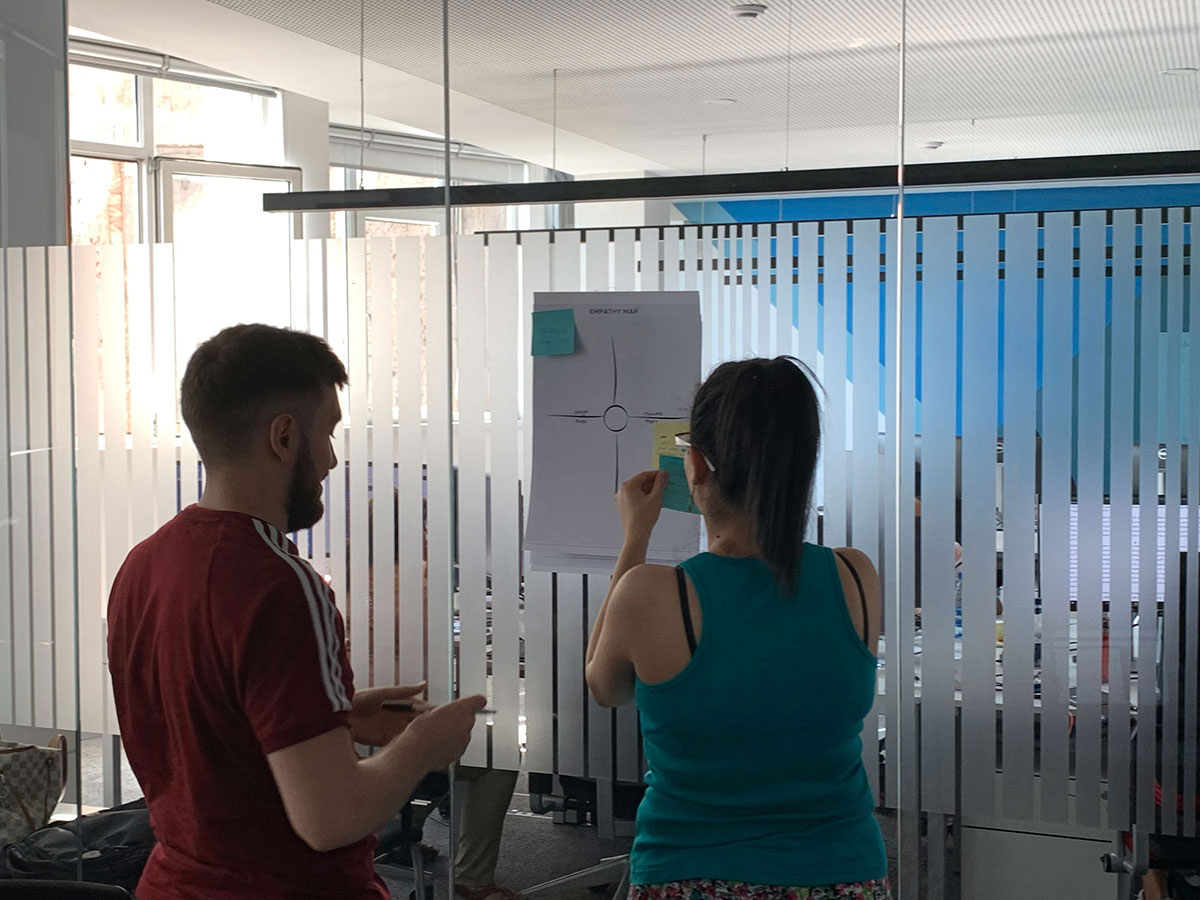
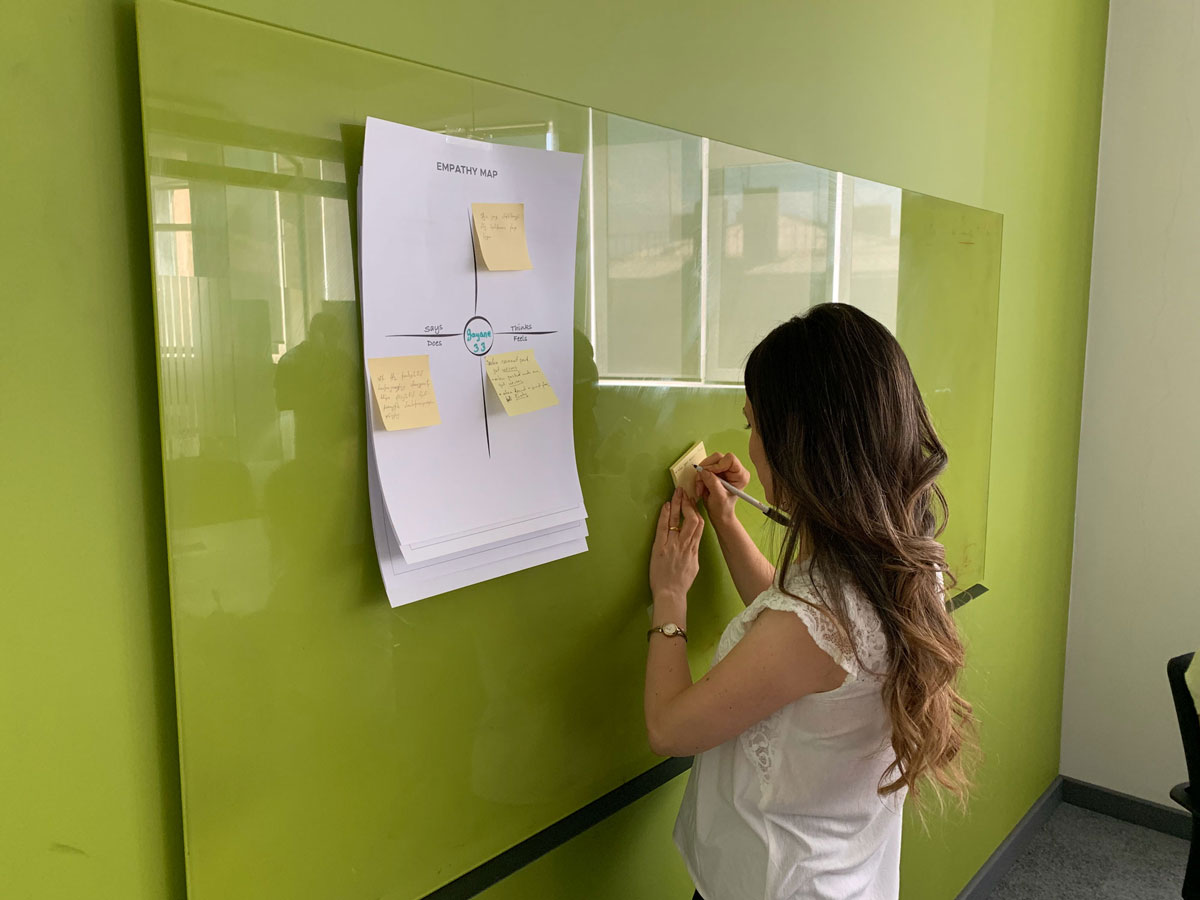
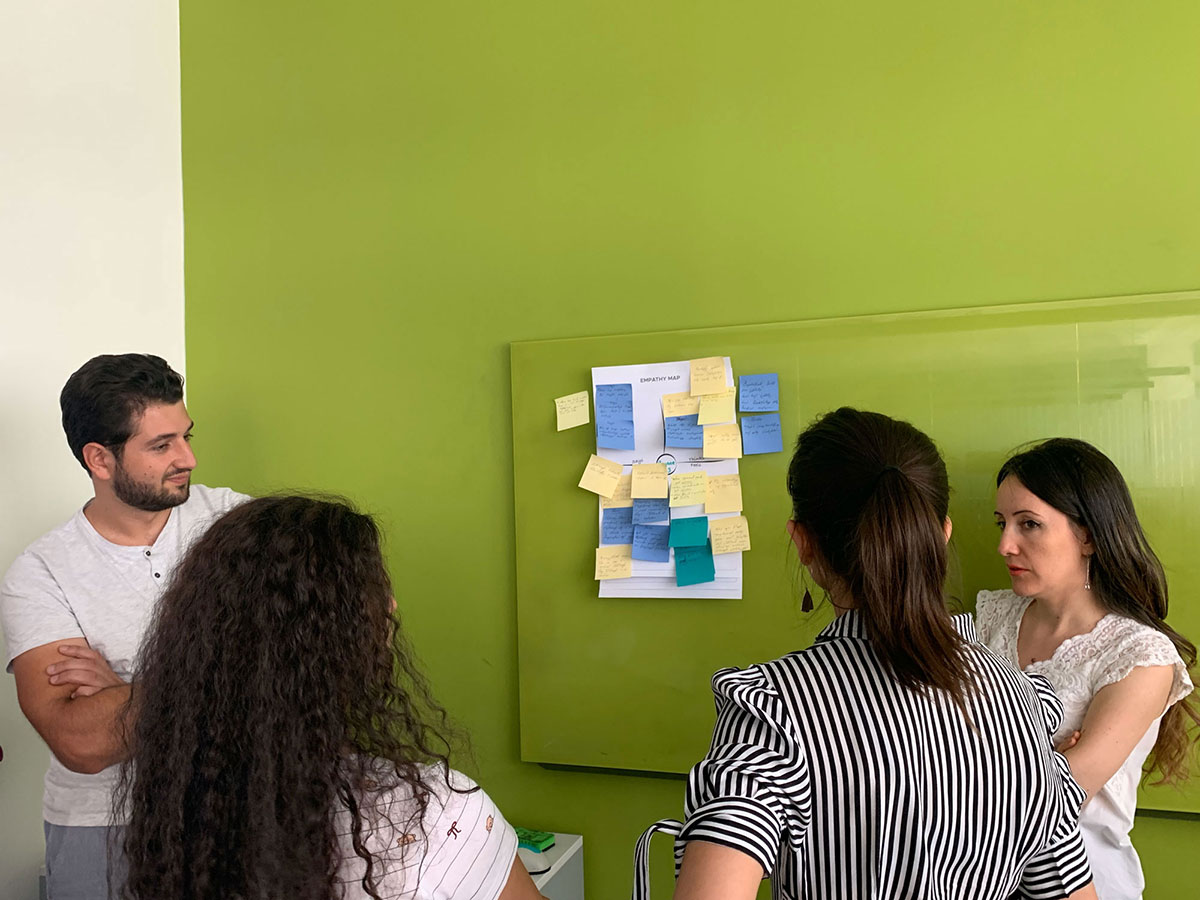
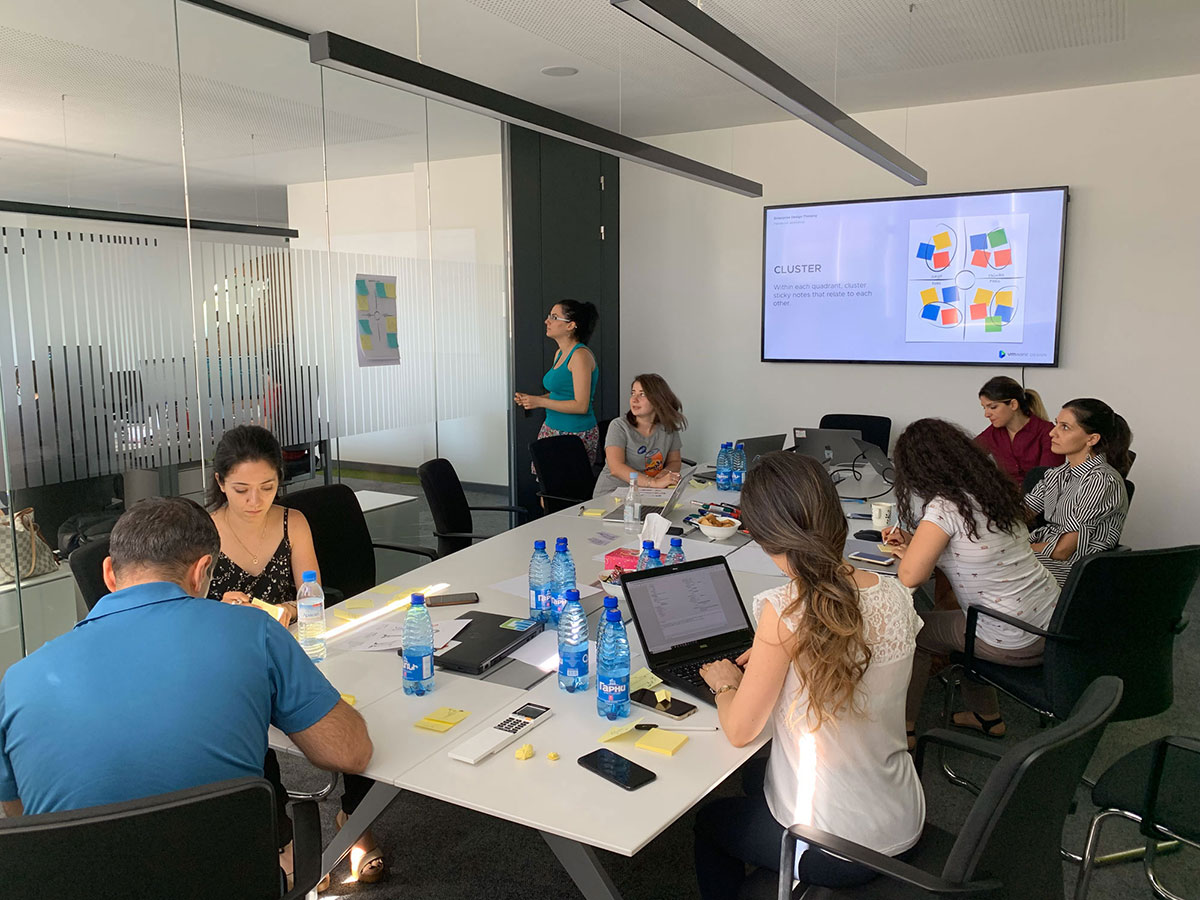
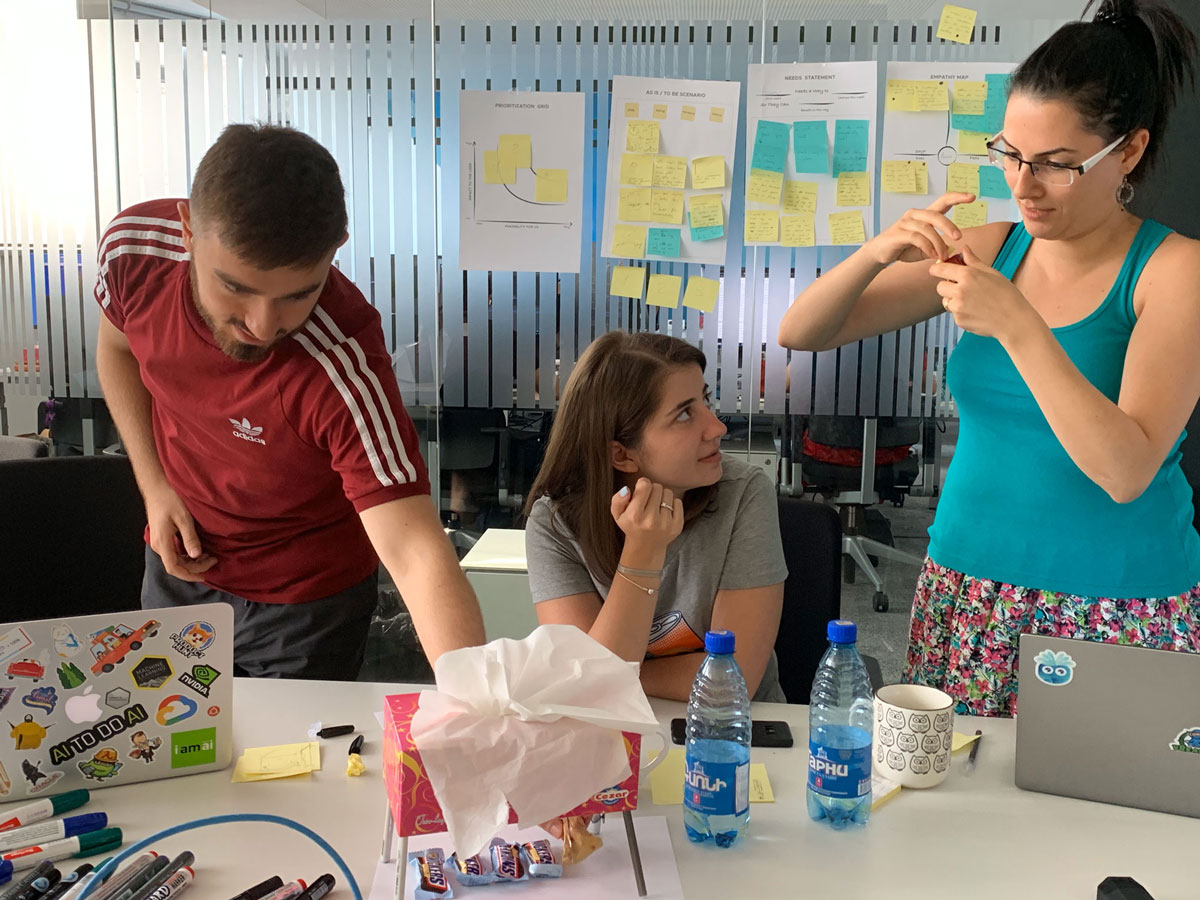
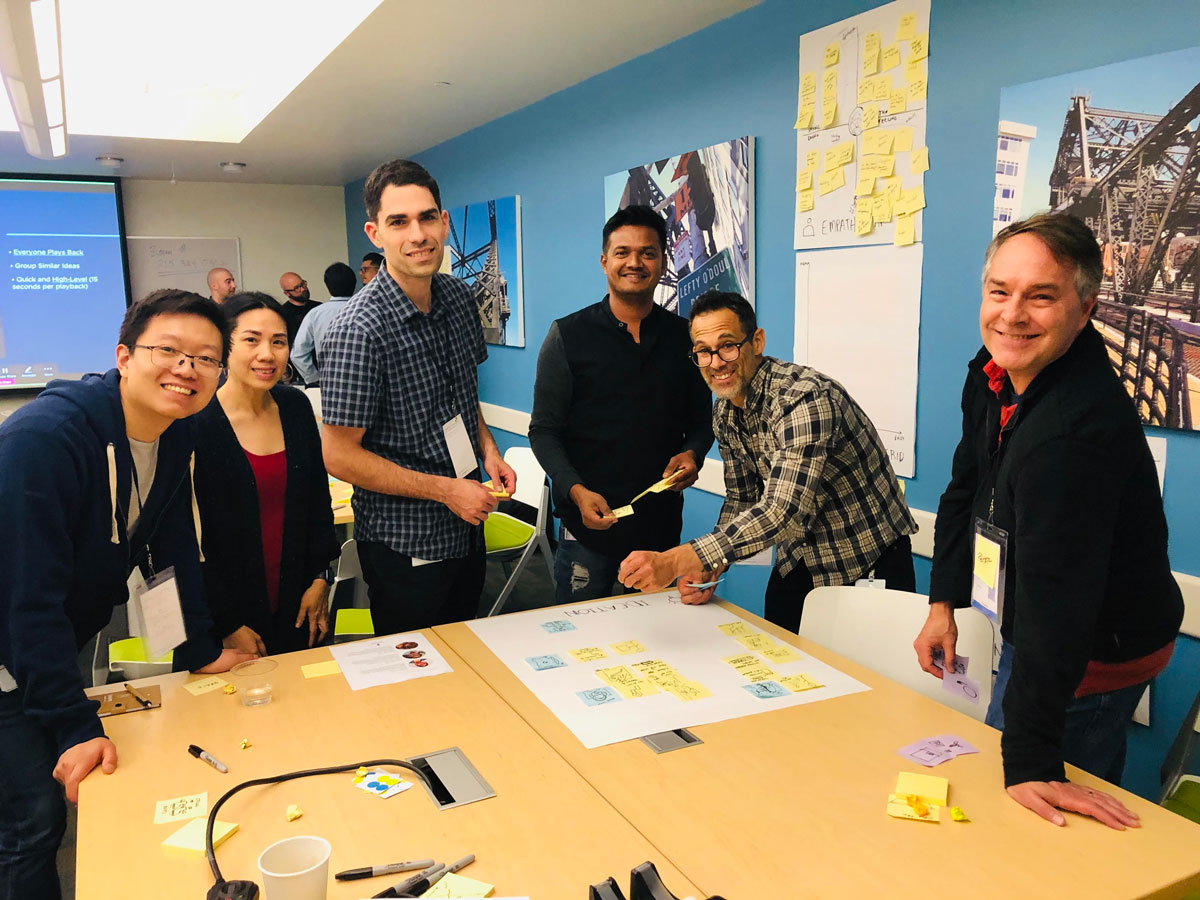
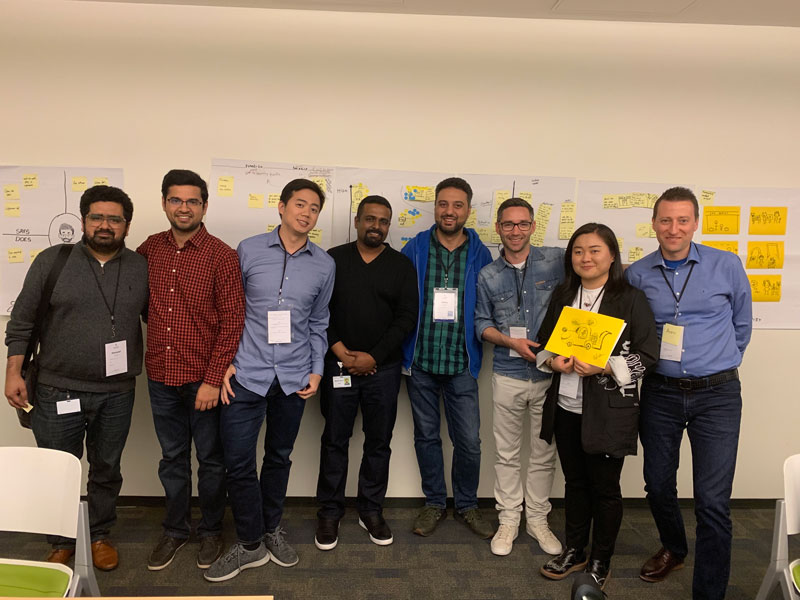
I lead customized workshops that follow the Design Thinking process. These workshops bring together people from different parts of the company, including business, technology, and user experience experts. Together, we refine the problem, generate ideas, create within limits, and develop working prototypes. The workshops are energetic and focused, allowing teams to quickly test and improve their ideas.
The length of the workshops ranges from a few hours to several days, depending on the goals. I make sure the format is flexible while ensuring that we complete these key steps:
- Align and Understand:
Define a shared purpose, make sure everyone is on the same page, and understand why this challenge is important. - Ideate and Prioritize:
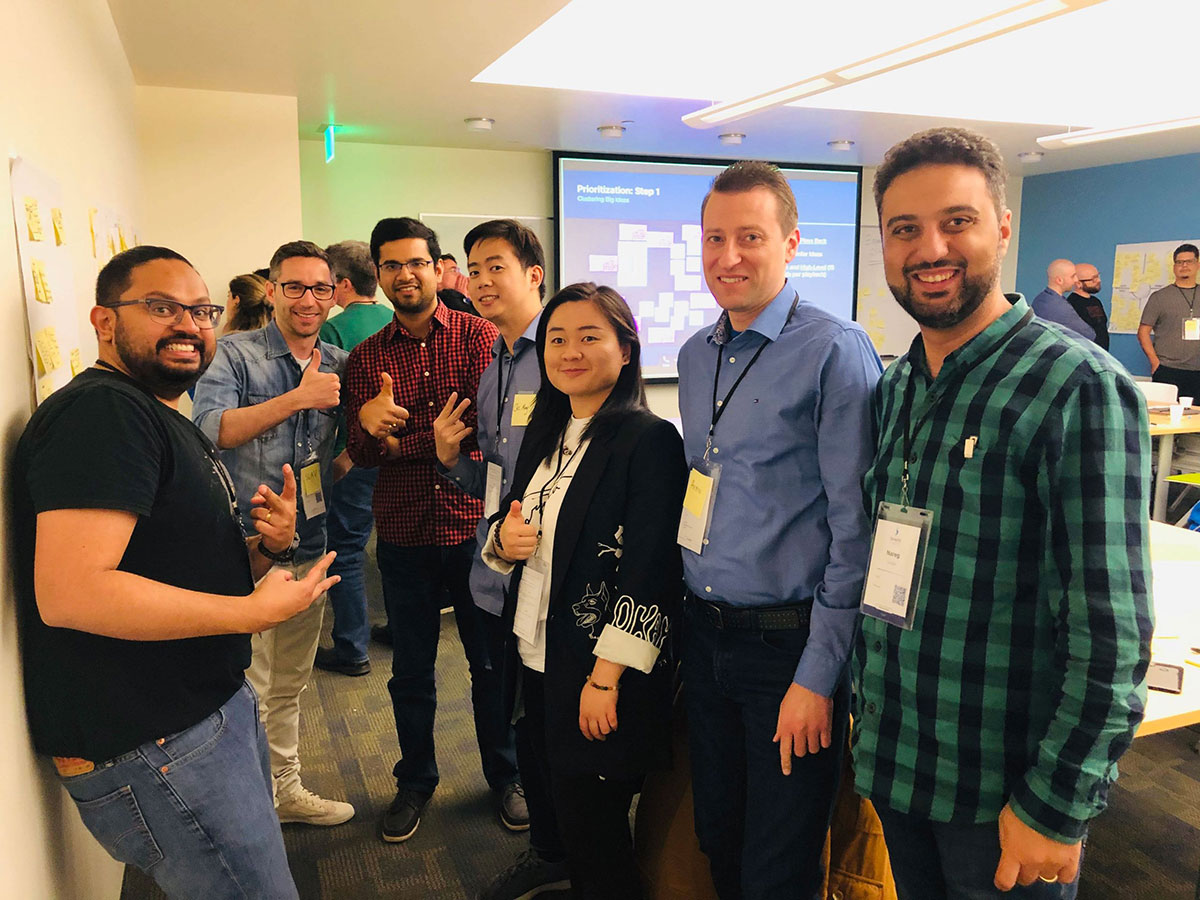
Brainstorm a wide range of ideas, then concentrate on the most valuable and feasible ones using straightforward prioritization methods. - Vision and Roadmap:
Agree on the main goal, define what success looks like, and outline the next steps.
This structured yet adaptable process helps teams stay focused, maintain momentum, and move quickly from ideas to practical solutions.
Read my End-to-end Case Studies, where I have applied designing thinking strategies in various projects.